Why Most Realtors Miss Hidden Development Value and How to Spot It Early
Jan 19, 2026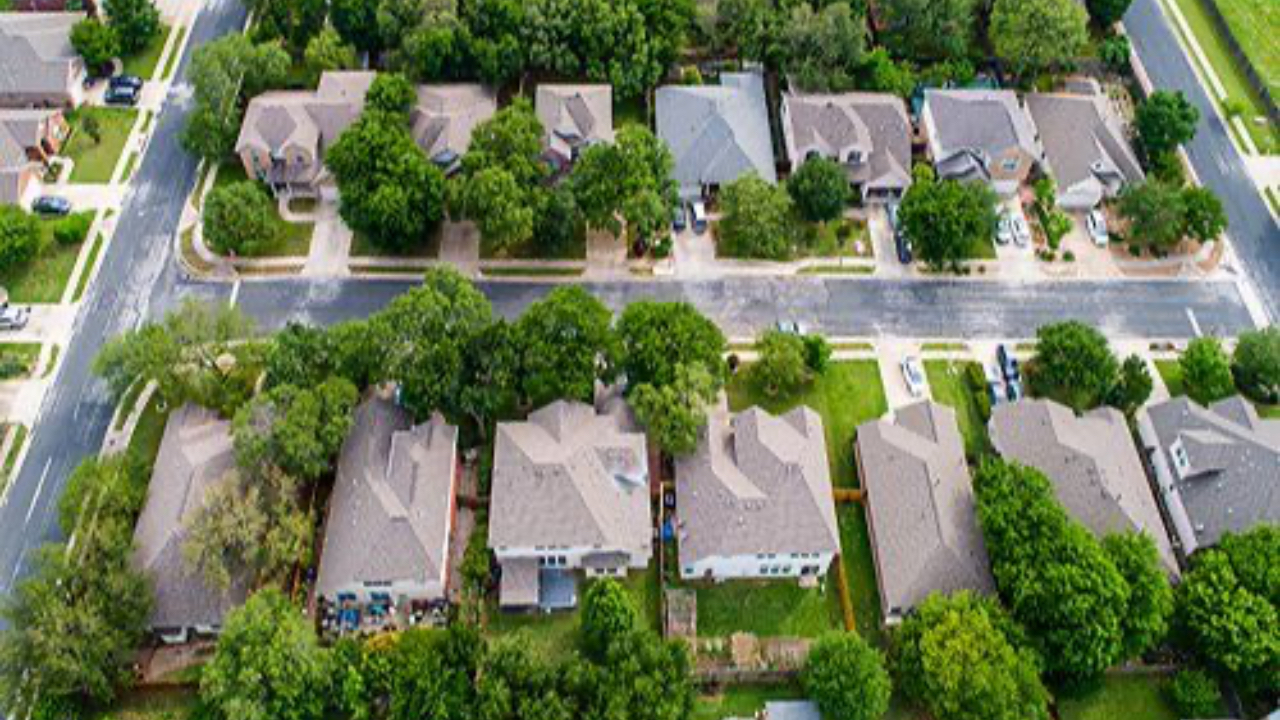
In most real estate transactions a property is treated as a simple sale. A price is set the home is marketed and the deal closes. Yet in many urban markets across North America that same property may hold far more value than the MLS price suggests. That value comes from zoning land use policy and future development potential. The challenge is that most Realtors are never trained to recognize it.
Hidden development value exists when a property can be used in a more valuable way than its current form. In growing cities this often includes multiplex or missing middle potential land assembly opportunities transit oriented development corridors density increases from new zoning or OCP updates and underutilized lots with favorable dimensions. To most buyers it looks like a house. To a trained eye it looks like a future project.
The reason this value is often missed is simple. Traditional real estate education focuses on transactions not land economics. Many agents rely strictly on comparables ignore zoning schedules and overlays do not fully understand FSR height or setbacks and miss early signals of redevelopment activity. This is not a lack of effort. It is a lack of exposure.
When development potential is overlooked the consequences can be significant. Sellers may leave hundreds of thousands or even millions on the table. Assemblies never form because no one connects the surrounding sites. Developers quietly acquire nearby properties first. Realtors lose credibility with sophisticated clients. In dense urban markets knowledge gaps become expensive very quickly.
Experienced development focused agents approach property differently. They ask what the zoning allows today what policy changes are coming next whether the site is transit adjacent or within a growth corridor and whether the lot could function better as part of a larger consolidation. They look beyond the building and evaluate the land itself.
This matters now more than ever. Across Canada and the United States cities are pushing higher density gentle infill transit oriented growth and housing supply reforms. That means more hidden value not less. The agents who understand land use will win stronger listings attract developers and investors protect their clients more effectively and position themselves as long term advisors not just salespeople.
At the Doma Institute our approach is simple and practical. We teach Realtors how to read zoning quickly identify assembly opportunities understand development feasibility and communicate land value clearly to clients. This is not theory. It is based on real projects real negotiations and real outcomes.
If you are only pricing what exists today you are missing what the property can become. And in todays urban markets that difference matters more than ever.
Stay connected with news and updates!
Join our mailing list to receive the latest news and updates from our team.
Don't worry, your information will not be shared.
We hate SPAM. We will never sell your information, for any reason.